








MpD activists point to Francisco Tavares' radioactive effect and Samuel Varela's accusations as the causes of the debacle in Brava
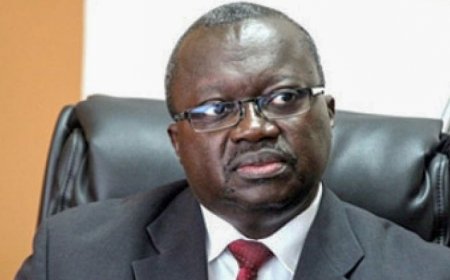
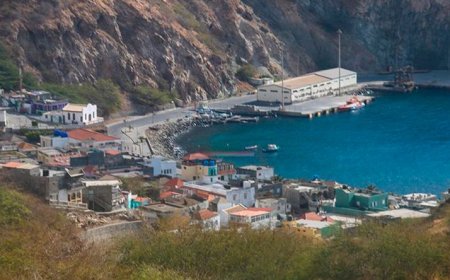
Nova Sintra, May 17, 2026 (Bravanews) - The political scene on the island of Brava has taken a remarkable turn. After winning the Municipal Assembly elections a year and a half ago, the Movement for Democracy (Mpd) has suffered a significant defeat, a result that is already causing strong tremors in the party's local structures. Behind the scenes and among the grassroots, discontent is evident, and analysts and activists point the finger squarely at the political legacy and the strong presence of Francisco Tavares as the main negative contagion factor in the campaign led by Ivone Cardoso.

The expression "radioactive effect" began to circulate insistently in the political corridors of the Brava as soon as the results were confirmed. For many MpD activists, the insistence on keeping the figure of Francisco Tavares - the former mayor - linked to the image of Ivone Cardoso's candidacy acted as a real vote repellent.
Tavares, who accumulated considerable political wear and tear during his term in office, is now seen by a significant fraction of the party as a "toxic asset".
"Francisco Tavares should and must stay away from the electoral arena for good," vented a long-time activist under anonymity. "The people of Brava wanted change and renewal. By sticking to his image, Ivone Cardoso's candidacy inherited all the rejection and weariness that the electorate was already showing towards the previous administration."
Many believe that the campaign strategy failed miserably by failing to demarcate the candidate from Tavares' gray legacy, allowing the opposition to easily exploit the "continuity of the same model" narrative.
If the "Tavares effect" was already imposing a steep climb on the MpD's candidacy, the heavy public accusations made by MP Samuel Varela ended up irreversibly complicating the electoral accounts on the island.
The accusations brought to light by the MP - which touched on sensitive wounds in municipal management, including issues of transparency and investment priorities in Brava - put Ivone Cardoso's candidacy in a defensive position from which it was never able to recover. Instead of presenting proposals for the future of the island, the campaign team was forced to spend precious time and political capital trying to mitigate the damage and respond to internal and external attacks.
For local analysts, the "friendly fire" and Varela's revelations have taken away any room for maneuver that Ivone Cardoso might have had to convince the floating electorate and the disaffected.
The defeat in Brava now opens up a period of deep reflection for the MpD. The loss of a seat that was once an important bastion is forcing the party to re-evaluate its local leadership and how it deals with figures who, despite their history, no longer seem to resonate with the population.
The clamor for total renewal in Brava is widespread among the grassroots. The message from the ballot box was clear: the Cape Verdean electorate, and the Brava electorate in particular, demands new faces, new practices and a definitive break with worn-out political pasts. It now remains to be seen whether the MpD's national leadership will heed Brava's message or whether internal divisions will continue to dictate the course in the next electoral clashes.
MS